 COME
COMEWhat innings break means on a cricket scorecard
An innings break separates batting turns; it is not necessarily the final result.
Work through this situation
A first-innings 164/8 at the break gives an ordinary unrevised target of 165. The second side has not lost merely because its displayed score is lower before its innings begins.
What to check and why
Identify which side has completed its batting turn and which side is about to begin. A first-innings score remains visible during the break, while the second side may have no meaningful batting total yet. Comparing those two numbers as a final result ignores the phase of the match.
In a simple unrevised example, 164 sets a target of 165. Once the chase starts, read current runs, wickets, valid balls and target together. If an interruption changes the official target, update that field before calculating. The label innings break describes a transition between innings; a completed-match result requires the match's actual final status.
Recognise the relevant screen
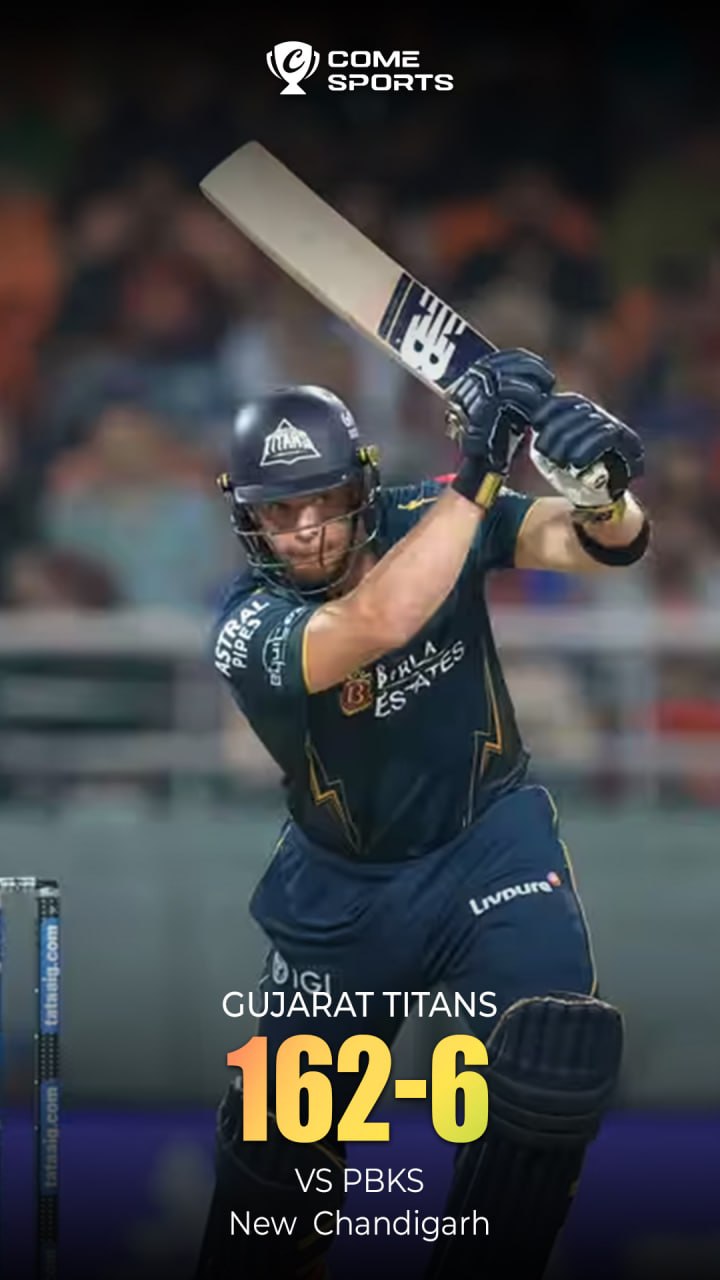
In the score graphic below, 162-6 means 162 runs with six wickets lost. The graphic illustrates a team-score field; the worked figures elsewhere in this article are separate examples.
Keep the example tied to the match state
The numbers here are worked examples, not a live score feed. A real match needs the current teams, innings, score, overs, target when applicable and status. Rain, completed innings and competition-specific rules can change how a simple example applies. Use the official match record for changing figures, and do not treat a saved graphic as a current update.
What a completed answer looks like
The phase of the match is identified before scores are compared.
For a changing match, check the official fixture or scorecard again before using an earlier calculation.
Choose another specific COME guide
Read the wider cricket and IPL guide